Health and Safety Policy for Carpet Cleaners SE23
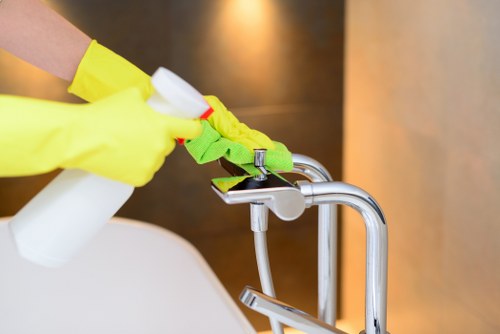 Carpet Cleaners SE23 is committed to maintaining a safe, healthy, and responsible working environment for all staff, clients, contractors, and visitors. This policy sets out the standards and practices that help prevent injury, reduce risk, and support safe working conditions during every carpet cleaning service. Our approach applies to carpet cleaning services, upholstery work, stain treatment, stain removal, and related cleaning tasks carried out in domestic and commercial settings.
The policy is designed to promote best practice in planning, supervision, equipment handling, and chemical use. It applies to all work activities, including preparation, access, machine operation, drying procedures, and post-cleaning checks. All employees and operatives are expected to follow the rules in this policy and report concerns immediately so that corrective action can be taken.
Our Health and Safety Commitment
We recognise that carpet cleaning can involve wet floors, electrical equipment, lifting tasks, chemical exposure, and repetitive movements. For that reason, our health and safety policy focuses on preventing accidents before they happen. Every carpet cleaner must work carefully, use equipment correctly, and remain alert to changing conditions in the property being cleaned.
Risk Assessment and Safe Working
Before starting any job, a suitable risk assessment must be completed. This includes identifying slip hazards, fragile surfaces, poor ventilation, blocked access, trip risks, and any concerns linked to pets, children, or vulnerable occupants. Where risks cannot be removed completely, control measures must be put in place to keep the work safe and manageable. Carpet cleaning teams should also confirm that the room layout allows for safe movement of hoses, machines, and cleaning tools.
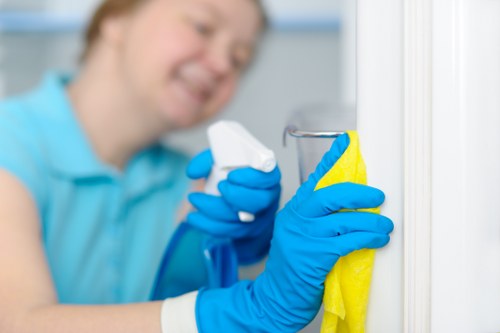 Equipment must only be used by trained personnel. Every carpet cleaning technician is responsible for checking that machines, cables, plugs, and accessories are in good condition before use. Damaged equipment must be taken out of service immediately. Machines should be switched off before maintenance, emptying, or transport, and operatives must avoid unsafe improvisation when a tool or fitting is missing.
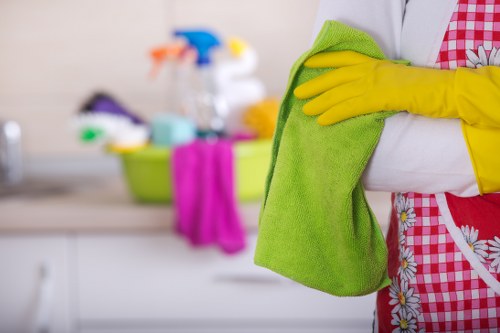 Special care is required when moving cleaning equipment through stairways, hallways, and narrow spaces. Lifting should be done using proper technique, and heavy items should be moved by two people where needed. If a task appears unsafe, it should be paused until the risk is reduced. This is especially important when working in occupied properties, where extra caution is needed around residents, furniture, and delicate surfaces.
Chemical Safety and Environmental Care
Cleaning solutions, spot removers, and deodorising products must be selected and used according to manufacturer instructions. Chemical safety is essential for protecting workers and occupants from irritation, burns, and respiratory problems. Products should be stored securely, clearly labelled, and kept away from food, children, and unauthorised persons. Operatives must wear suitable gloves or other protective equipment where necessary.
Spillages must be cleaned up promptly and safely. When using water-based processes, the team must take steps to control excess moisture and prevent slippery floors. Good ventilation should be maintained during and after cleaning, particularly when using stronger solutions or performing stain treatment in enclosed areas. Waste water and used materials must be disposed of responsibly in line with local requirements and environmental good practice.
Our carpet cleaning policy also supports the safe use of products that are appropriate for the surface being treated. Wool, synthetic fibres, delicate rugs, and speciality textiles may require different methods. Misuse of chemicals can damage materials and create avoidable hazards, so operatives must follow internal training, product guidance, and site-specific instructions at all times.
Training, Supervision, and Personal Responsibility
All staff must receive appropriate induction and ongoing training in safe carpet cleaning procedures. Training includes manual handling, chemical handling, machine operation, incident reporting, and emergency response. Supervisors are responsible for monitoring compliance and making sure that standards remain consistent across all jobs. Where a worker is unsure about a process, they must ask for guidance before continuing.
Personal responsibility is a key part of this policy. Carpet cleaners are expected to arrive fit for work, remain sober, and avoid behaviour that could place themselves or others at risk. They must wear suitable clothing and footwear, use protective equipment when required, and keep work areas tidy to reduce the chance of slips, trips, and falls. Communication with clients should remain professional, calm, and respectful, especially when health or access issues need to be discussed.
Incident Reporting and Emergency Response
Any accident, near miss, injury, unsafe condition, or equipment failure must be reported as soon as possible. Prompt reporting helps prevent repeat incidents and allows the business to review whether further controls are needed. In the event of an emergency, staff must follow established procedures, stop work if necessary, and seek help without delay. First aid arrangements, fire safety awareness, and emergency exits must be respected on every site.
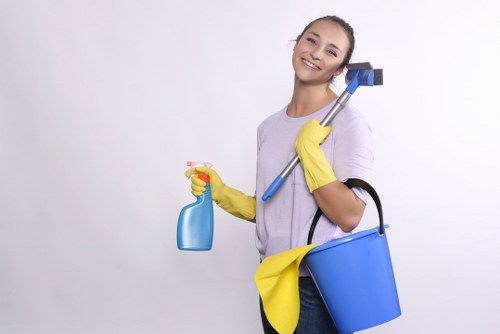 We review this carpet cleaners health and safety policy regularly to ensure it remains effective, practical, and up to date. Reviews take into account changes in work methods, equipment, products, and legal expectations. Improvements are welcomed when they strengthen safety, protect people, or support more reliable service delivery.
 By following this policy, Carpet Cleaners SE23 aims to deliver professional cleaning services while protecting the wellbeing of everyone involved. Safe working is not an optional extra; it is a core part of how we operate. Every task should be carried out with care, attention, and respect for the people and properties we serve.